
Key Facts
- Recovers valuable solvent for reuse or resale
- Eliminates distillation fouling and downtime
- Reduces hazardous waste disposal costs
- Expands recovery capacity without major expansion
- Improves reliability and continuous operation
- Supports large-scale sustainability goals
How a Leading U.S. Pharmaceutical Manufacturer Transformed Solvent Recovery Economics with Thin-Film Evaporation
Executive Summary
The result was a step-change improvement in solvent recovery performance, including:
- Recovery of over 2.5 million gallons of solvent per year that were previously disposed
- Net annual savings exceeding $4 million, with additional cost avoidance of approximately $1 million per year
- Elimination of distillation column fouling caused by heavy residues
- Significant reduction in hazardous waste disposal volumes
- Creation of additional solvent recovery capacity without major infrastructure expansion
This project demonstrates how thin-film evaporation can unlock both economic and sustainability value at industrial scale when applied upstream of conventional distillation.
Background
Large pharmaceutical API manufacturing sites consume and recover vast quantities of solvents. At this facility, solvent recovery operations were centralized within a Solvent Recovery and Distribution (SRD) unit that processed spent solvent streams from multiple production areas.
While conventional distillation columns were effective for clean feeds, the SRD unit faced a growing challenge: more recoverable solvent was available than the system could reliably process. Heavy residues, solids, and variable compositions in incoming waste streams caused fouling, limited throughput, and forced a significant portion of solvent to be sent directly to disposal rather than recovery.
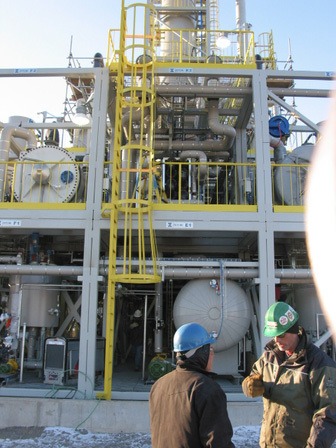
At the time of evaluation, approximately 3.0 million gallons per year of solvent were being disposed that could otherwise have been recovered and reused or sold.
The Challenge
The existing recovery system was constrained by both technical and economic factors:
- Fouling in distillation columns caused by tarry residues and solids
- Frequent cleaning shutdowns, limiting effective operating time
- Recovery capacity bottlenecks, preventing utilization of available solvent streams
- High disposal costs, averaging approximately $0.40 per gallon
- Lost solvent value, including both internal reuse and resale opportunities
In total, the site identified a multi-million-dollar annual opportunity tied directly to improving solvent recovery reliability and capacity.
The Solution
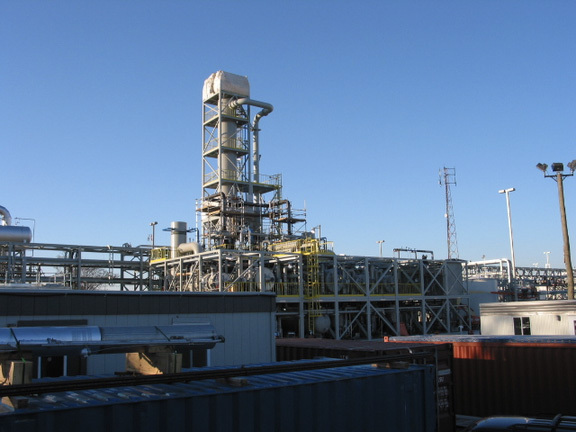
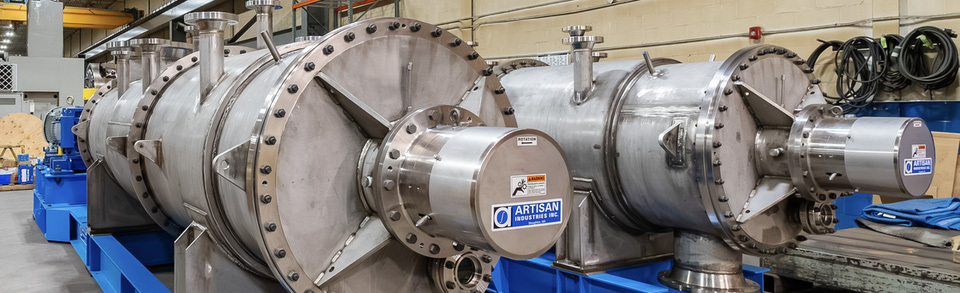
- A ROTOTHERM® thin-film evaporator processing heavy solvent waste streams
- Upstream continuous solids removal, preventing fouling material from entering distillation columns without losing yield
- Direct routing of clean solvent vapor to continuous distillation
- Collection of concentrated solids for controlled offsite disposal
- High heat-transfer efficiency
- Very short residence time
- Proven ability to handle viscous, fouling, and variable feeds
- Compatibility with continuous operation at industrial scale
This approach fundamentally changed the role of the distillation columns, allowing them to operate as polishing and separation units rather than solids-handling equipment.
Quantified Results
Following implementation, the solvent recovery system delivered measurable, site-level economic and operational gains.
Solvent Recovery and Throughput
- 3.0 million gallons per year of solvent recovered for resale or reuse
- 2.0 million gallons per year diverted from disposal from one major waste line
- 1.5 million gallons per year diverted from a secondary stream (about 4 million gallons per year, previously unavailable due to bottlenecks)
Financial Impact
- Net annual cost savings of approximately $4.2 million
- Additional cost avoidance of at least $1.0 million per year from recovered capacity
- Reduced hazardous waste disposal
- Increased recovered solvent sales
- Improved utilization of existing infrastructure
- The overall project achieved an internal rate of return of approximately 14 percent, with long-term value further supported by future recovery opportunities not included in the initial financial model.
Reliability and Operability
- Distillation column fouling eliminated by removing solids upstream
- Extended run lengths and improved continuous operation
- Reduced unplanned downtime and maintenance intervention
- Stable performance across variable feed compositions
Sustainability Outcomes
- Reduction of approximately 6 million gallons per year of solvent sent to destruction
- Conversion of mixed solvent waste into reusable and saleable material
- Alignment with corporate sustainability and waste-reduction targets
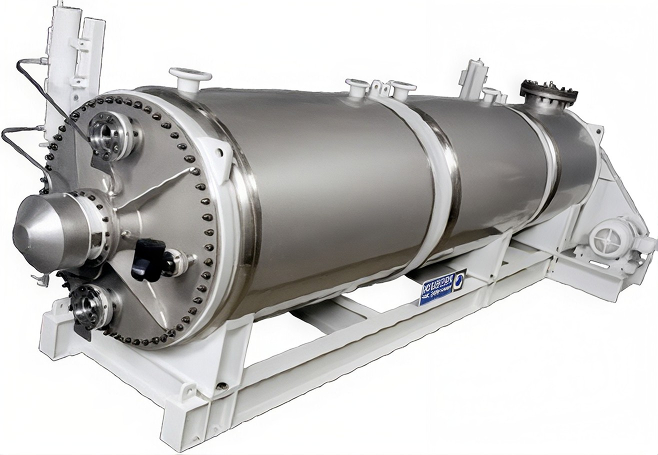
Why Thin-Film Evaporation Made the Difference
Broader Applicability
This solvent recovery strategy is applicable well beyond pharmaceuticals, particularly where:
- Solvent-rich waste streams contain solids or heavy residues
- Disposal costs are high relative to solvent value
- Recovery capacity is constrained by fouling rather than thermodynamics
— Process Engineering Leadership, U.S. Pharmaceutical Manufacturer
Download the Full Case Study PDF
Fill out the form below to receive an instant copy of this case study.